Find hidden water leaks before they damage your foundation.
Quiet pipe leaks behind sheetrock or deep beneath concrete slabs waste thousands of gallons and weaken structural framing. Our team pinpoints subterranean and in-wall water leaks using sensitive acoustic sensors and infrared imaging.
Acoustic Line Analysis
Active subterranean diagnostic
Find hidden leaks before they damage your home
Spot the warning signs early, then let our diagnostic tools pinpoint the exact spot without tearing up your walls.
Signs you may have a hidden water leak
Check for these everyday clues around your home.
How we locate the leak without destructive digging
We pinpoint the exact source through floors, slabs, and walls before picking up a single tool to repair it.
Acoustic listening gear
Pinpoints pressurized pipe leaks underground and behind drywall
Amplifies sound frequencies created by water escaping under pressure
Isolates the exact foot of pipe without cutting exploratory holes
Works through concrete slabs, soil, tile, and interior framing
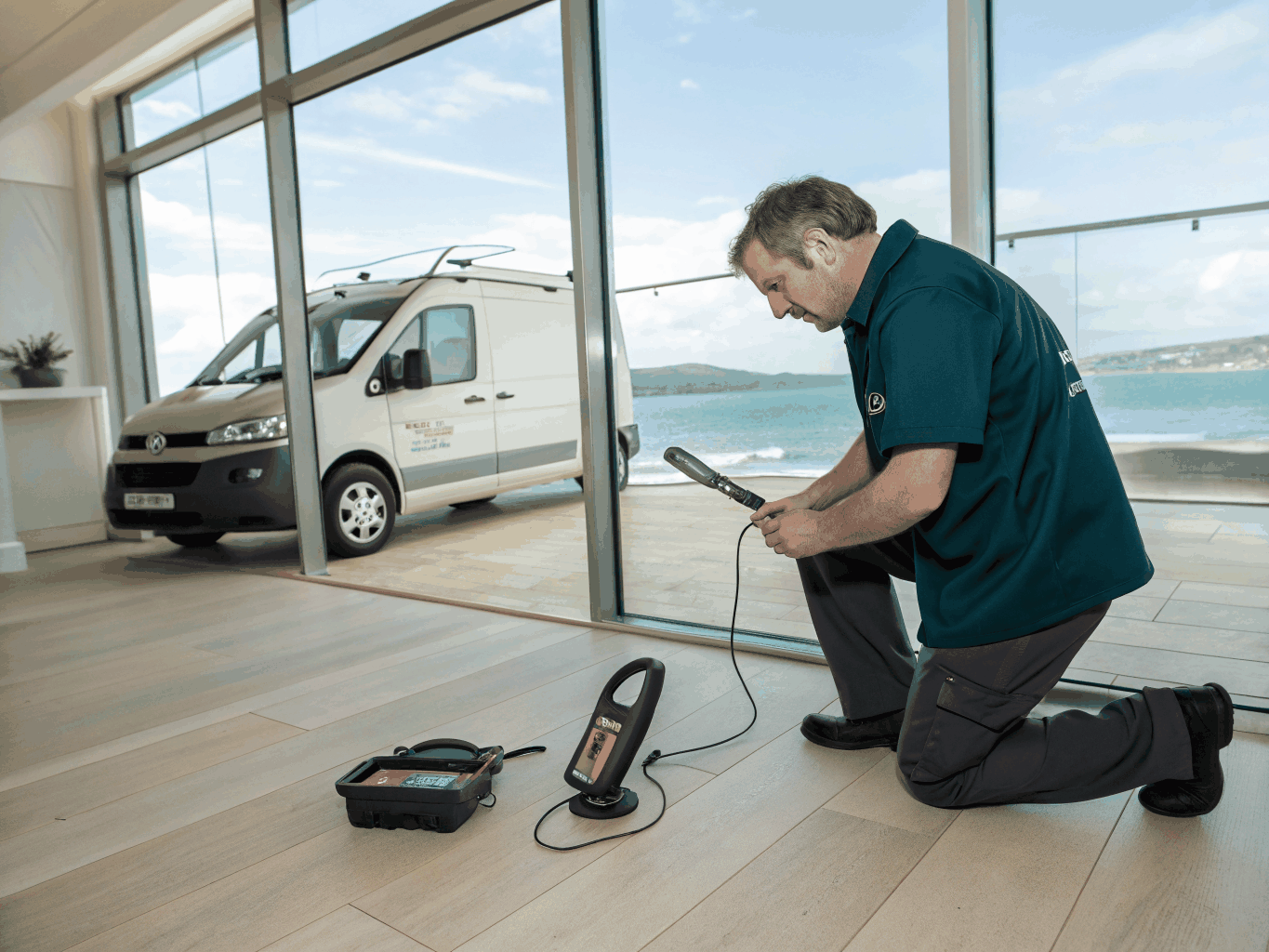
Fayetteville Plumbing Pros Guarantee: We locate the source accurately before quoting repair options.
Frequently asked questions about leak detection
Clear answers to help you spot hidden leaks early and protect your home from costly water damage.
Suspect a hidden water leak?
Don’t let a hidden pipe leak cause costly structural damage. Contact Fayetteville Plumbing Pros today for accurate diagnostics and dependable repairs.
Where hidden leaks happen
Leaks hide in more places than most people expect.
Supply lines in or under a concrete slab can leak without any visible sign for a long time.
Joints and fittings behind drywall can drip slowly and soak framing.
Leaks from upstairs plumbing or the attic can stain ceilings below.
A leak between the meter and the house can show up as soggy ground.
Supply lines, shutoff valves and drains under sinks are common sources.
Fittings and tanks can leak at the base or at connections.
What to know about leak detection
Leak detection is about finding a leak without tearing into walls and floors to look for it. The goal is to pinpoint the source so any repair can be limited to the smallest area possible.
The first clue is often your water meter. Turn off every fixture and appliance, read the meter, wait fifteen to thirty minutes and read it again. If the numbers change, water is going somewhere. If you also shut the main valve to the house and the meter stops, the leak is inside; if it keeps moving, the leak is likely between the meter and the home.
Other clues include a sudden increase in your water bill, the sound of running water when nothing is on, low water pressure, warm spots on a floor, damp or stained drywall, a musty smell, or mold growth. Not every clue means a hidden leak, but several together do.
Plumbers use several methods to locate leaks. Pressure tests isolate sections of pipe to see whether they hold pressure. Acoustic listening devices pick up the sound of water escaping a pipe. Thermal imaging can show temperature differences that point to moisture. Tracing tools help follow a pipe path behind a wall or under a slab.
Each method has limits, so we often combine them. A pressure test tells us which line is affected, listening narrows the area and other tools confirm the spot. The goal is to be confident before anyone opens a wall.
Once the leak is found, we explain what happened, what the repair involves, what finishes may be affected and what it will cost. You get a written quote before work begins.
Water damage continues after the leak is stopped. Wet insulation, drywall and flooring need to dry, and mold can begin to grow within a couple of days in damp materials. Fans and dehumidifiers help, and larger losses may need a restoration company. Take photos for your insurer.
Slab leaks deserve special mention. They can cause warm floors, cracks, lifting flooring and large water bills. Our guide on slab leaks versus pipe leaks explains how they differ from other leaks, and our slab leak repair page covers repair options.
Do not ignore a small mystery bill increase. A leak that wastes a little water every day adds up over a month. Our guide on lowering your water bill covers the meter test in more detail.
If you have found a leak and need it repaired, see our leaking pipes and pipe repair pages.
What to do while you wait for service: shut off the main valve if water is actively flowing, move belongings away from wet areas, turn off power to wet areas only if you can do so safely and take photos of the damage and the meter reading. These steps limit damage and give us useful information when we arrive.
Why early detection saves money: a leak found while it is small usually means a smaller repair, less drywall and flooring to replace and less risk of mold. A leak found after months of seepage can mean structural drying, replaced materials and a much larger bill. Checking your meter once a month is a simple habit that can catch a problem early.
What we need from you: tell us when you first noticed the problem, where you see water or stains, what your water bill looked like compared with last year and whether the meter moves with everything off. If you have a recent plumbing repair or remodel, mention that as well, because it can point to the source.
What we leave you with: a clear explanation of where the leak was, what caused it, what we repaired and what to watch for. If we find other worn parts, such as old shutoff valves or supply lines, we point them out so you can plan ahead, but we do not add work without your approval.
Leak detection FAQ
How do I check my meter for a leak?
Turn off all water, record the reading, wait fifteen to thirty minutes without using water and check again. A change means water is flowing.
Can you find a leak without digging?
Often yes. We use pressure tests, listening equipment and other tools to narrow the location before any opening is made.
What are signs of a slab leak?
Warm floor spots, the sound of running water, a moving meter and sudden high bills are common signs.
Will you quote before repairing?
Yes. You approve the work and the price before we begin.
Does a high water bill always mean a leak?
No. Irrigation, a running toilet or changes in household use can also raise a bill. A meter test helps tell the difference.
How long does leak detection take?
It depends on the system and how many tests are needed. We explain what to expect when we inspect.