Fast residential plumbing repairs, done right on the first visit.
When plumbing problems disrupt your home, our licensed technicians arrive on time with fully stocked trucks to diagnose and solve the issue fast.
24/7 rapid dispatch
Local trucks in Fayetteville and Peachtree City
Flat upfront pricing
Clear quotes before work begins, no hidden fees
Licensed & insured
Certified plumbers with full workmanship warranty
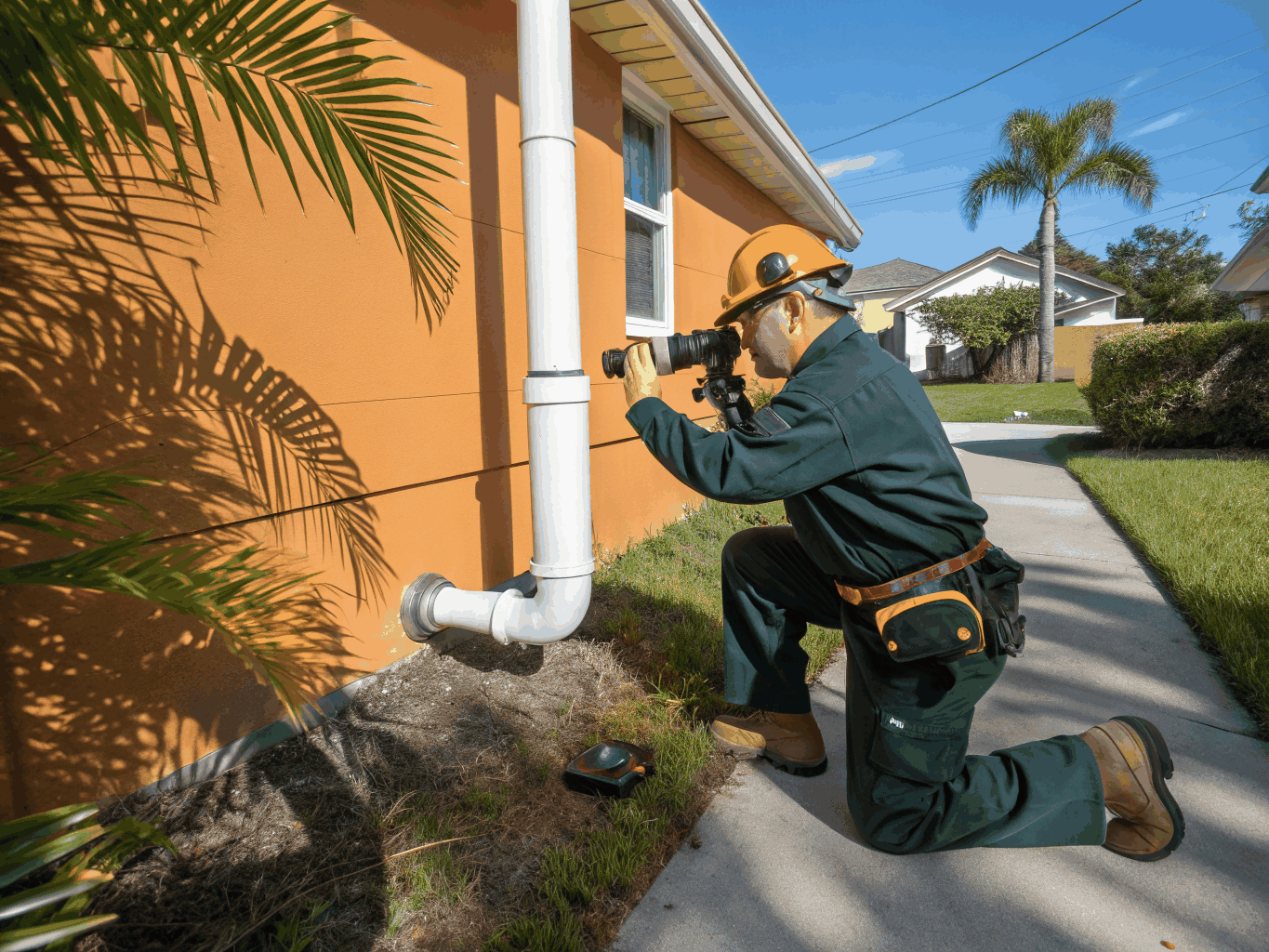
Fast dispatch
What needs fixing today?
Select your issue for priority scheduling:
Transparent estimates with no overtime surcharges.
Reliable home plumbing when you need it most.
From burst pipes and stubborn clogs to water heater repairs, our local team fixes your plumbing quickly with honest upfront pricing.
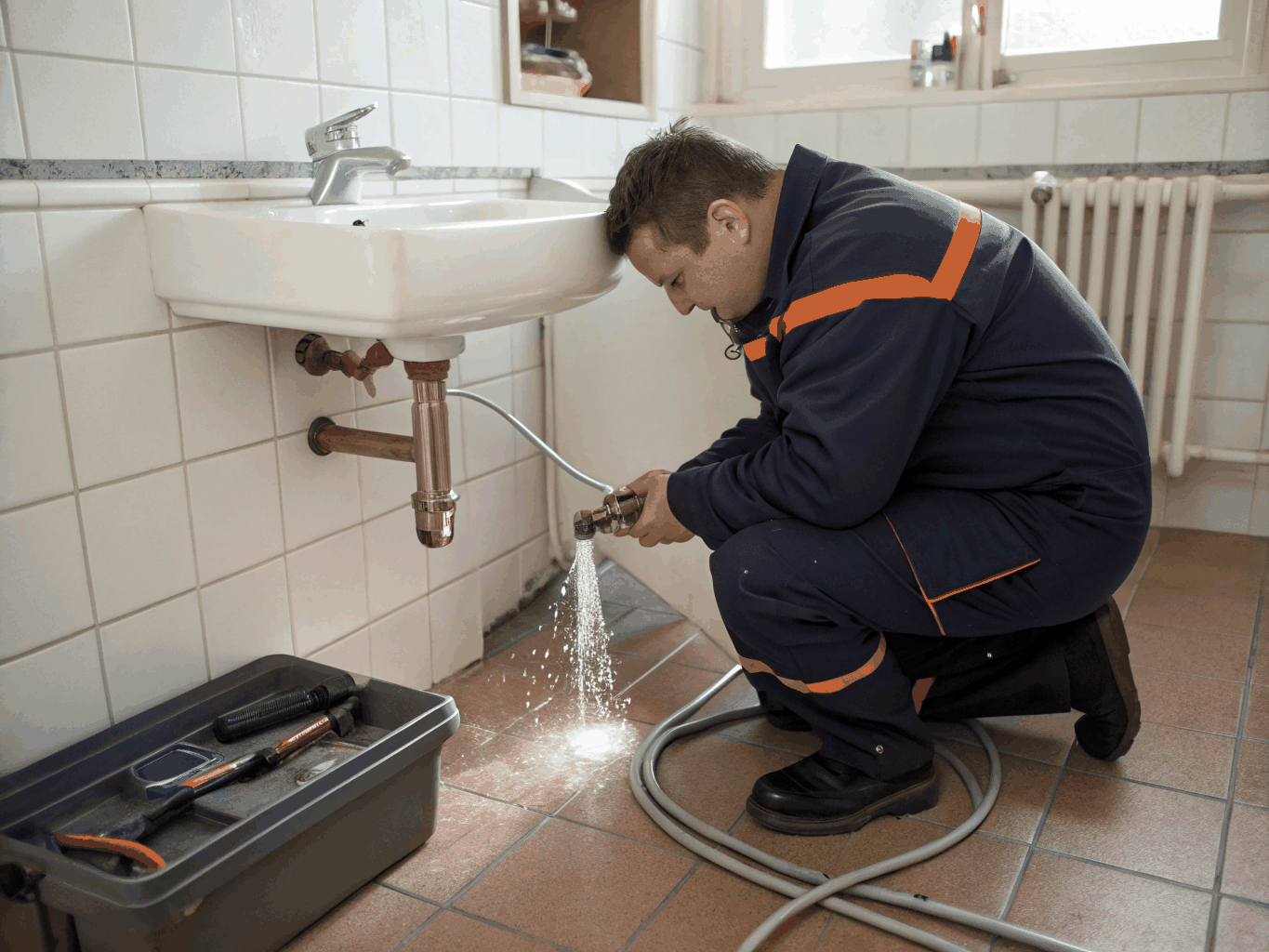
Top-rated local service
Over 250+ five-star reviews in Fayette County
Same-day service
Fast dispatch across Fayetteville and Fayette County
Upfront quotes
Flat-rate pricing before any plumbing work starts
Licensed pros
Experienced residential technicians ready to help
Leaking pipe repair
Even a small drip from a pipe can cause real damage over time. Finding and fixing it early saves water and money.
A leaking pipe may be visible under a sink or behind a toilet, or it may be hidden inside a wall, ceiling or crawlspace. Visible leaks are easy to spot. Hidden leaks reveal themselves through stains, odors, higher bills or sounds of running water.
Pipes leak for many reasons. Joints loosen, fittings corrode, seals wear out, pipes freeze or are damaged, and old pipe thins and develops pinholes. The right repair depends on the cause. A loose fitting may need only tightening or replacement, while a corroded section may need to be cut out and replaced.
Our plumbers find the source of the leak, explain what failed and repair it so it stays fixed. We also check nearby pipes for signs of similar wear.
Signs of a leaking pipe
Some signs are subtle. Know what to look for.
Moisture under sinks, near water heaters or along pipes is a direct sign of a leak.
Brown rings on ceilings or walls may mean water is escaping from a pipe above or behind.
Persistent dampness encourages mold and a musty smell.
A steady leak can raise usage and cost.
Leaks can reduce flow at fixtures.
Hearing water with all fixtures off is a strong clue.
Common sources of pipe leaks
Knowing where leaks start helps us find them faster.
| Location | Cause | Usual repair |
|---|---|---|
| Joints and fittings | Loose or corroded connections | Tighten, reseal or replace the fitting |
| Pipe walls | Corrosion and pinholes | Replace the affected section |
| Under sinks | Worn supply lines or drains | Replace the line or trap |
| Behind walls | Hidden failures | Locate the leak and open the wall to repair |
| Crawlspace pipes | Freezing, damage or corrosion | Repair and insulate |
| Outdoor lines | Damage, freezing or roots | Repair or replace the line |
Our leak repair process
A clear process that finds the cause.
We shut off water to the area.
We trace the leak, using detection tools if needed.
We repair or replace the damaged pipe or fitting.
We restore water and check for leaks and pressure.
What affects pipe repair cost
Cost depends on the location and the extent of damage.
| Factor | Why it matters |
|---|---|
| Access | Open pipes are quicker than those in walls or slabs. |
| Material | Copper, PEX, PVC and galvanized pipe differ. |
| Extent | A single fitting costs less than a long damaged run. |
| Damage | Opening walls adds to the job. |
| Cause | Pressure or corrosion issues may need extra work. |
Steps to take for a leak
Quick action limits damage.
Close the valve to the fixture or the main shut-off.
Use towels or a bucket.
Prevent mold by drying wet materials.
Note where you see water or stains.
Document for insurance.
We will find and fix the leak.
Patch or replace?
We choose what will last.
A new fitting may solve the problem.
A longer section of pipe may need replacement.
Multiple failures may call for repiping.
How we find and fix leaking pipes
We start by confirming where the water is and shutting off the supply to the leak. We look at the visible plumbing and ask when you first noticed the problem. A leak that has been present a long time may have caused more hidden damage.
If the leak is not obvious, we use appropriate methods to find it. That may include checking pressure, isolating sections of piping and using detection tools. We aim to find the leak accurately so any wall or floor opening is limited.
Once the source is found, we explain the repair. For a fitting leak, the fix can be fast. For a pinhole or corroded section, we cut out the damaged pipe and install new pipe and fittings. We use materials and methods that match your system.
After the repair, we restore water slowly and check for leaks at each joint. We confirm pressure and look at nearby pipes for signs of wear.
If we opened a wall or ceiling, we tell you what needs to be patched. We can describe the damage for your insurer or a restoration contractor.
We also point out other concerns, such as high pressure or old materials, so you can plan for the future.
Pinhole leaks deserve a closer look. Tiny leaks in copper pipe can come from corrosion on the inside or outside of the pipe. They are small, but they seldom stay that way. If you find one pinhole, others may be developing nearby, so we check the pipe around it and explain how much of the line looks healthy.
Leaks under sinks are the easiest to catch and fix. Check cabinets periodically for dampness, a swollen floor or a musty smell. Replacing worn supply lines and tightening slip nuts often prevents bigger problems.
Leaks in crawlspaces and attics can go unnoticed for a long time. If you have access, take a look with a flashlight a couple of times a year. Look for drips, rust trails, stains on the underside of the floor and signs of pests or mold.
Finally, if your leak appeared after freezing weather, tell us. Frozen pipes can split, and a thaw can reveal damage that was hidden while the water was frozen. Quick action limits damage when the water starts flowing again.
The materials in your pipes affect how leaks happen and how they are repaired. Copper can develop pinholes. Galvanized steel corrodes from the inside and eventually leaks. CPVC and PVC can crack with age or from impact. PEX is flexible and resists corrosion, but it can be damaged at fittings or by sunlight. We use the repair method that suits your material and explain what we see.
Water pressure plays a role too. Pressure that is too high stresses every joint in your system and can cause leaks to appear in several places over time. If you have had more than one leak, ask us to check your pressure. A regulator can protect your plumbing and reduce the chance of future failures.
If you are away from home often, consider knowing where your main shut-off is and closing it when you travel. A hidden leak can run for days unnoticed. A few seconds closing the valve can prevent a lot of damage.
Leaking pipe repair in Fayetteville
Local plumbers for pipe leaks.
Fayetteville homes of different ages see different pipe problems, from corroded galvanized lines in older houses to failed fittings in newer ones. We help you find and fix the leak.
We serve Fayetteville, Peachtree City, Tyrone and the communities on our service areas page. See also pipe repair, leak detection and burst pipe repair.
Leaking pipe FAQ
Common questions about leaking pipes.
How do I find a leaking pipe?
Look for moisture, stains and drips, check your meter with all water off and listen for running water.
Can a small leak cause big damage?
Yes. Ongoing moisture can damage building materials and cause mold.
Can you repair a pinhole leak?
Yes. We repair or replace the section, and explain whether more pipe may be affected.
Do hidden leaks need walls opened?
Sometimes. We aim to open as little as possible.
Will insurance cover pipe leaks?
It depends on your policy and the cause.
Should I repipe if I have multiple leaks?
Repeated leaks can be a sign of failing pipe. We explain whether repiping makes sense.
How long does a leak repair take?
Many repairs take one visit, but hidden leaks or longer damaged runs may take longer.
Can I use water while the leak is being repaired?
We usually shut off water to the affected area during the repair, and can often keep the rest of the house available.
What should I do about a leak behind a wall?
Shut off the water if you can, note where you see stains or hear water and call a plumber. We locate the leak and open only what is needed.
Why did my pipe start leaking all of a sudden?
Leaks often develop gradually and become visible when a joint finally gives way or a pinhole reaches the surface. Pressure, corrosion and age are common reasons.
Leaking pipe? Call us
Our Fayetteville plumbers will find the leak and repair it.