Fast residential plumbing help in Fayetteville.
Speak directly with an on-call licensed plumber or schedule your repair visit in minutes. No guessing, no hidden service fees.
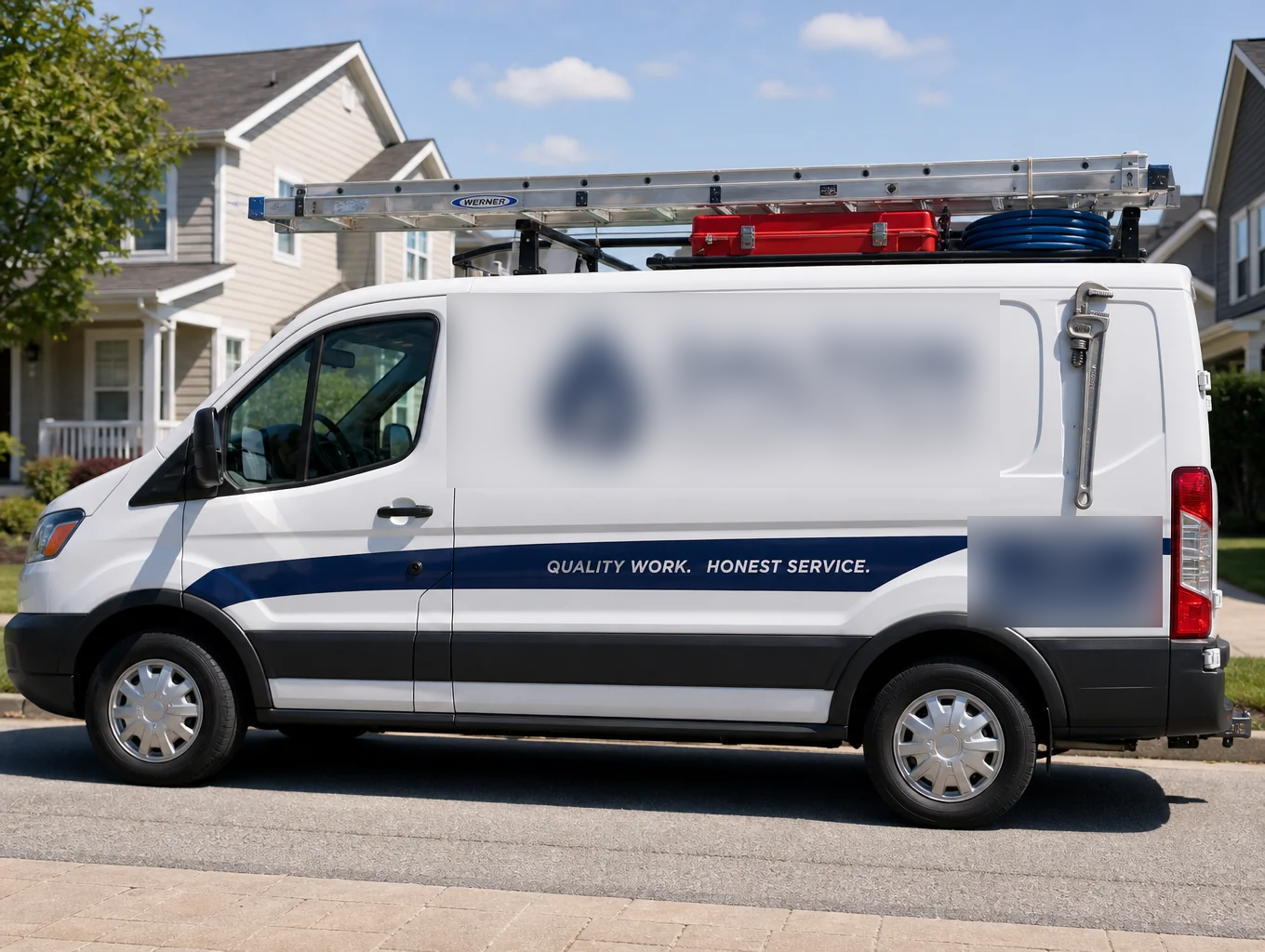
Direct local plumbing service
Ready for water heaters, drain backups, pipe leaks, and fixture repairs.
Average 45-min arrival
Fast dispatch across Fayetteville & Fayette County
100% satisfaction backed
Clean repairs done right the first time
4.9-star local rating
Over 650+ satisfied neighborhood homeowners
Reliable residential plumbing for Fayetteville homes.
From sudden water heater breakdowns to backed-up drains, our licensed technicians resolve your plumbing issues promptly with clear upfront rates.
Service Guarantee
100% Workmanship Warranty
When a water heater problem cannot wait
Some water heater problems are inconvenient. Others are safety issues. Here is how to tell the difference.
Most water heater trouble can wait for a regular appointment, but a few situations call for immediate action. Water pouring from the tank, a smell of gas near the heater, a heater that is making loud banging or hissing noises, or scalding hot water at the tap are all signs that something has gone wrong and needs prompt attention.
Our plumbers respond to water heater emergencies in Fayetteville and nearby communities. We focus first on safety, shutting down the problem and preventing damage, and then on finding the cause and explaining your options for repair or replacement.
If you ever smell gas, leave the home and call your gas utility or emergency services from outside. Do not turn on lights or appliances. Once the gas utility has made the area safe, we can help with the heater.
Water heater emergencies to take seriously
If you notice any of these, act right away.
Leave the home and call the gas utility from a safe place. Do not use switches or flames.
Shut off the cold water inlet and power or gas, then call a plumber right away.
Overheating can be a thermostat or safety control problem. Turn the heater off and call us.
Severe noise can signal overheating, pressure issues or a failing tank.
Black marks, soot or a burning smell around a gas heater can signal a venting or combustion problem.
A heater that repeatedly trips the breaker or smells like burning wiring should be shut off.
What to do until help arrives
These steps limit damage and keep you safe.
| Situation | Do this first | Then |
|---|---|---|
| Gas smell | Leave the home and call the gas utility | Call us after the area is declared safe |
| Active leak | Shut off cold water and power or gas | Contain water and call us |
| Scalding water | Turn off the heater | Do not use hot water until it is checked |
| Tripped breaker | Turn the heater off at the breaker | Call us instead of resetting repeatedly |
| Pilot out | Follow label instructions if comfortable | Call us if it will not stay lit |
| Unknown noise | Turn the heater off | Call us to inspect |
Our emergency response
A calm, clear process when things go wrong.
We make the heater safe by shutting off water, power or gas as needed.
We find the cause of the failure or hazard.
You get plain options and pricing before we proceed.
We repair or replace and test to confirm safe operation.
What affects emergency repair cost
Emergency work varies with the problem.
| Factor | Why it matters |
|---|---|
| Nature of the failure | Minor repairs cost less than full replacement. |
| Heater type | Gas, electric and tankless units differ. |
| Parts availability | Common parts are faster to obtain than specialty ones. |
| Time and access | Difficult locations can take more time. |
| Damage | Water damage may require separate repair. |
Prepare before an emergency
A few minutes now can save a lot of trouble later.
Locate the cold water inlet valve and the gas or electric shut-off for your heater.
Do not store flammables near the heater.
A stuck valve cannot protect against pressure buildup.
A pan limits water damage when a tank fails.
Plan replacement as the heater ages.
Keep our phone number handy for fast help.
Why heater safety matters
Heaters involve water, heat, gas or electricity.
A faulty relief valve can allow dangerous pressure to build.
Poor venting can let combustion gases into the home.
Hot water above safe settings can cause burns quickly.
How a water heater emergency visit goes
When you call, we ask a few questions about what you see, hear and smell so we can judge urgency and give you immediate safety instructions. If anything suggests a gas leak, we ask you to leave the home and call the gas utility first.
On arrival we secure the heater. That may mean closing the water supply, turning off power or gas and relieving pressure. Once the situation is safe, we inspect the heater, the venting, the connections and the controls.
We then explain what happened. A tripped safety control may be reset after the cause is found. A failed thermostat, element, valve or gas control may be replaced. A damaged or corroded tank will need replacement. We tell you which applies and why.
If replacement is the right answer, we help you choose a heater that fits your home and install it, including the safety components that protect you in the future. We test for leaks, temperature, venting and safe operation before we leave.
After the emergency, we suggest simple steps to reduce the chance of a repeat, such as adding a drain pan, replacing an old relief valve or scheduling maintenance. These small steps can keep your heater safer and extend its life.
If you are not sure whether your situation is an emergency, call and describe what you see. We would rather talk it through with you than have you wait on a problem that could get worse.
Many emergencies trace back to maintenance that was put off. Sediment that is never flushed, an anode rod that is never replaced and a relief valve that is never tested all raise the odds of a sudden failure. A short inspection once a year costs far less than an emergency call, and it gives us the chance to spot weak points before they cause trouble.
Location matters too. A heater in an attic or on an upper floor can send water through ceilings and walls if it fails, so those homes benefit most from a drain pan and drain line. A heater in a garage or closet should have clear space around it for airflow and service access. When we visit, we point out any layout issue that adds risk and suggest practical fixes.
Finally, think about what you would do if the heater failed tonight. Do you know where the shut-off valve is? Does everyone in the household know how to close it? A minute of planning now can prevent a lot of damage later, and we are happy to show you the shut-offs on your heater during any visit.
Water heater emergency help in Fayetteville
Local plumbers for urgent problems.
Water heater emergencies do not wait for convenient times. We serve Fayetteville and surrounding communities and focus on getting the situation safe quickly.
We help customers in Fayetteville, Peachtree City, Tyrone and other communities on our service areas page. For related problems, see water heater leaking, no hot water and water heater replacement.
Water heater emergency FAQ
Quick answers when something goes wrong.
What should I do if I smell gas?
Leave the home right away, avoid switches and flames, and call the gas utility or emergency services from outside.
Can I keep using a leaking heater?
No. Shut off the water, power or gas and call a plumber to prevent damage.
Why is my hot water scalding?
The thermostat may be set too high or a control may have failed. Turn the heater off and call us.
What does banging from the heater mean?
Often sediment, but severe banging or hissing can mean overheating or pressure problems.
Is it safe to reset the breaker?
You can reset it once. If it trips again, leave it off and call for service.
Do you handle both gas and electric emergencies?
Yes. We service common gas and electric water heaters.
Can an emergency lead to replacement?
Yes, if the tank is damaged or the heater is too old to repair safely.
How often should a water heater be inspected?
A yearly check is a good habit. It lets a plumber test the relief valve, look at the anode rod, check venting on gas heaters and catch small problems before they turn into emergencies.
What should I tell you when I call?
Tell us what you see, hear or smell, whether the heater is gas or electric, and how old it is. Mention any recent power outages or plumbing work too. That helps us prepare and give you the right safety steps over the phone.
Water heater emergency?
Call our Fayetteville plumbers now or request service online.