Dependable plumbing repairs and water heater service in Fayetteville.
We fix leaks, clear stubborn drains, and install energy-efficient water heaters. Get clear, upfront estimates before work starts and service scheduled around your day.
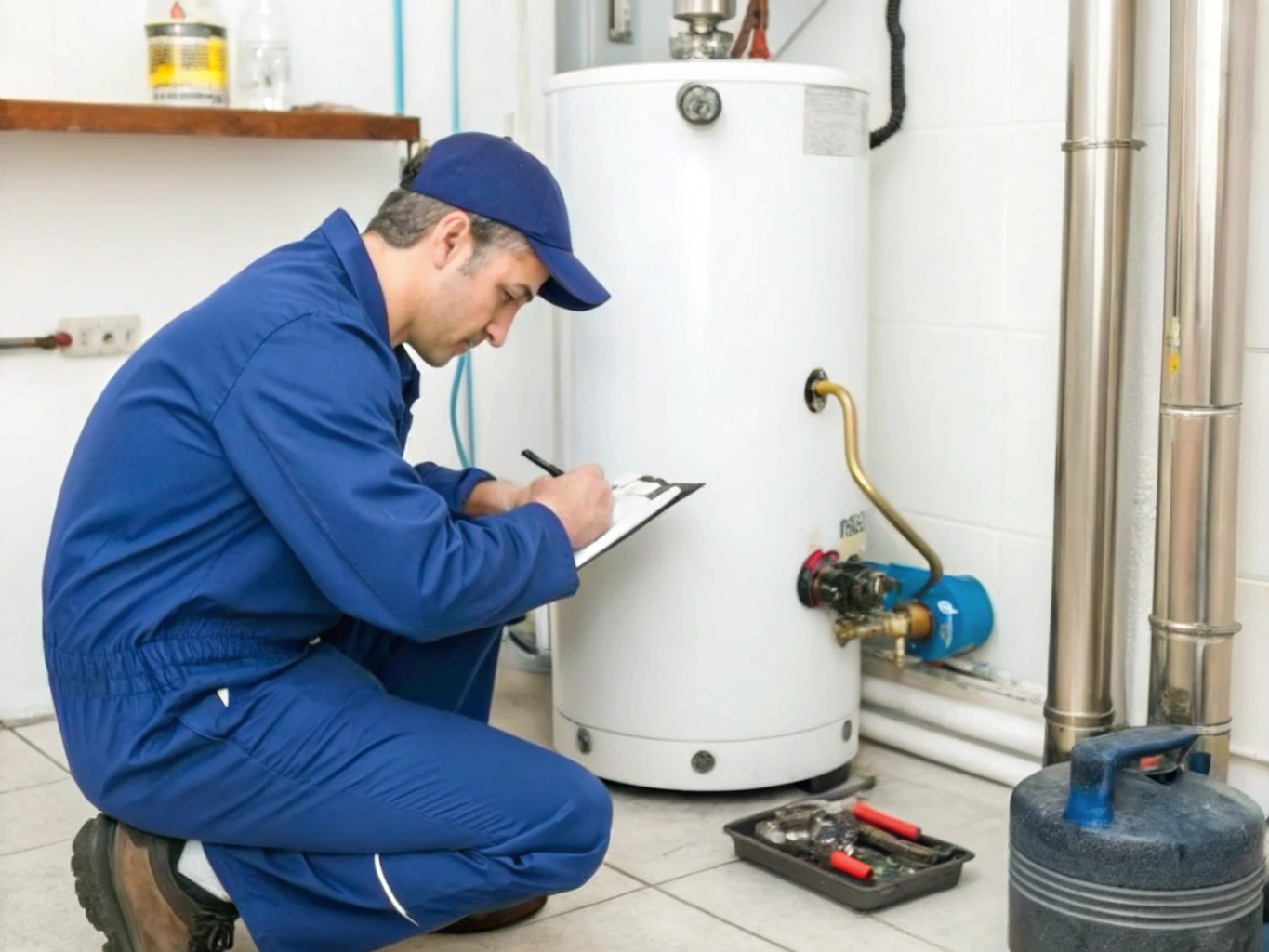
Guaranteed workmanship
Parts and labor backed by our local service warranty.
Fast plumbing help in Fayetteville, day or night
Burst pipes, failing water heaters, or backed-up drains — call now and a licensed local technician heads your way with the right tools to fix the problem fast.
Immediate support for:
Fayetteville Dispatch Unit
On-call residential service trucks
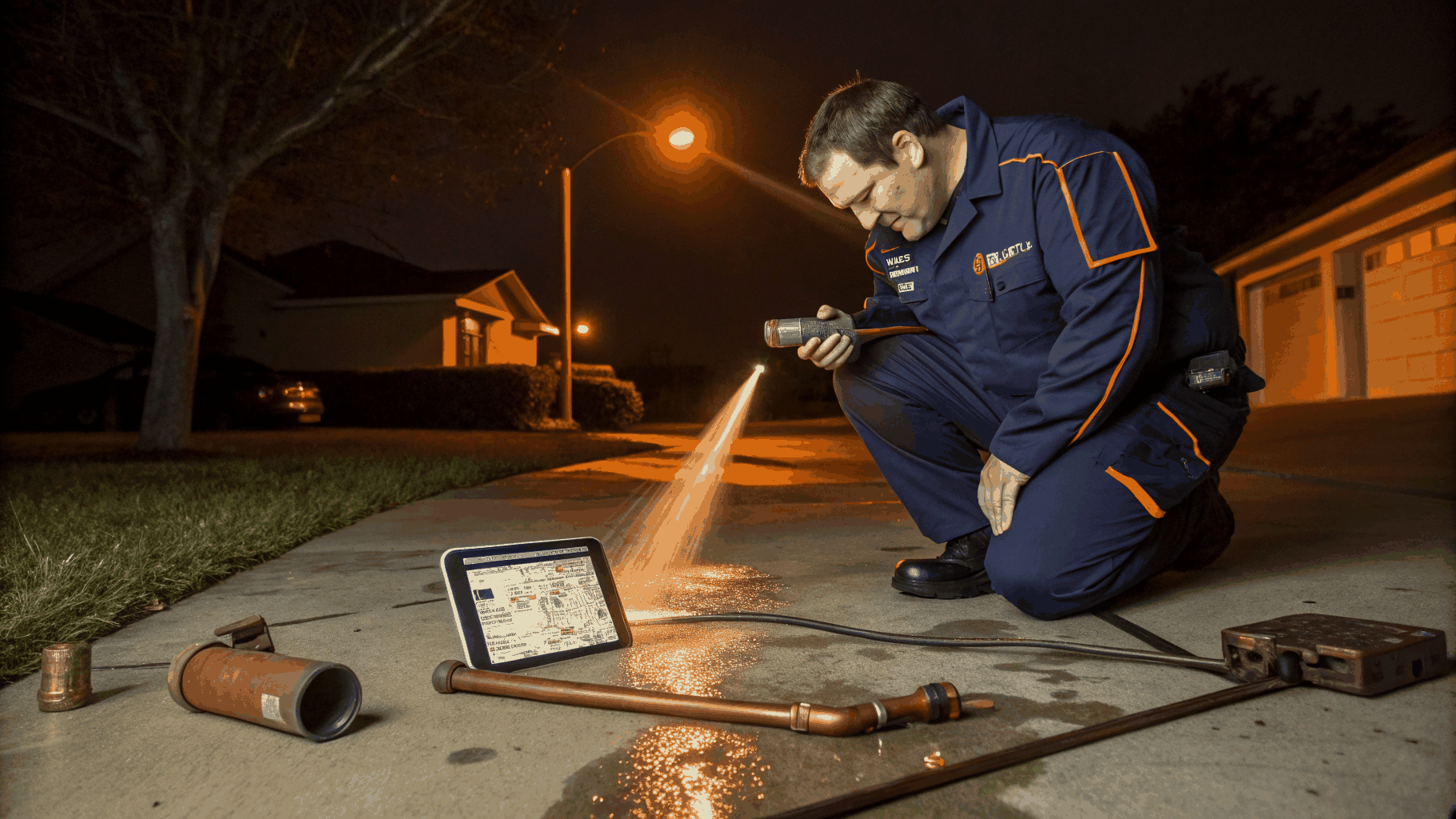
Rapid Local Dispatch
Service trucks prepped across Fayetteville and Fayette County
Clear, Upfront Pricing
Straightforward estimates before any wrench turns
Licensed & Insured
Experienced pros equipped for residential emergencies
Whole-house repiping
When old pipes keep leaking, restricting flow or discoloring water, repiping replaces the problem at its source.
Repiping means replacing the water supply pipes in your home with new ones. It is a larger project than a single repair, and it is not always necessary, but for homes with aging, corroded or repeatedly failing pipe, it can end a cycle of leaks and low pressure and give you reliable plumbing for decades.
Pipe materials have changed over the years. Galvanized steel, popular in older homes, corrodes from the inside and restricts flow. Polybutylene, used in some homes from the late 1970s into the 1990s, is known for failure. Even copper can develop pinhole leaks in certain water conditions. Knowing what is in your walls is the first step.
We inspect, explain the condition of your plumbing and tell you honestly whether repair or repiping makes sense. If repiping is the right answer, we plan the work to limit disruption.
Signs your home may need repiping
One symptom alone does not mean repiping, but several together often do.
If new pinhole leaks keep appearing, the pipe may be failing throughout.
Corrosion and scale narrow old pipes and reduce flow.
Brown or orange water can mean corrosion inside the pipes.
These materials are known for problems and may be nearing the end of their life.
Loose, corroded or stressed pipes can be noisy.
Original plumbing in older homes is more likely to fail.
Pipe materials compared
We help you choose a material that suits your home.
| Material | Strengths | Things to consider |
|---|---|---|
| PEX | Flexible, resists corrosion, can reduce the number of joints | Needs proper installation and protection from sunlight |
| Copper | Durable and proven | Higher material cost and may be affected by some water conditions |
| CPVC | Resists corrosion and is used for hot and cold water | Can become brittle with age in some conditions |
| Galvanized | Common in older homes | Corrodes and restricts flow, usually replaced |
| Polybutylene | Found in some older homes | Known for failures, usually replaced |
| Mixed systems | Common where repairs were made over time | Different metals can create problems |
Our repiping process
A careful plan limits disruption.
We evaluate your existing pipe and discuss the options.
We explain the scope, materials, timeline and cost.
We install new lines and connect fixtures.
We pressure test, restore access points and explain the results.
What affects repiping cost
Repiping varies by home. A walk-through gives the best quote.
| Factor | Why it matters |
|---|---|
| Size of home | More fixtures and longer runs cost more. |
| Pipe material | PEX, copper and CPVC differ in cost. |
| Access | Slab homes and finished walls make access harder. |
| Wall and ceiling repair | Opening walls may require patching and finish work. |
| Scope | Whole-house repiping differs from partial repiping. |
How to prepare for repiping
A little planning helps the project go smoothly.
Look at exposed pipe to see what you have.
Water will be off for part of the project.
Clear areas where walls may be opened.
Find out what wall repair is included.
Plan for your family, pets and schedule.
Some policies treat plumbing differently, so check.
How to decide
We help you weigh the options.
If only one section is bad and the rest is sound, repair may be enough.
If pipe is failing in many places, repiping may be better value.
A new system can last for decades and reduce risk.
How a repiping project works
Repiping begins with an assessment. We look at the pipe you have, how it is routed and what condition it is in. We check pressure and flow at fixtures and look for signs of corrosion or failure. Then we talk about whether repiping is the right step.
If you decide to go ahead, we plan the layout. We decide where new lines will run, how to reach fixtures with minimal disruption and how to phase the work. In many homes, it is possible to keep water available for part of each day.
During the work, we open small access points in walls or ceilings to run new pipe. We connect new lines to the main supply and to each fixture. We cap or remove the old lines as needed.
When the new system is in place, we test it with pressure to verify that every connection is tight. We then restore water and check each fixture for flow and leaks.
Patching access points is part of the planning. We tell you what we will repair and what may need a drywall or paint contractor, so you know what to expect.
Repiping is an investment in your home. Properly done, it can improve pressure, water quality and reliability and reduce the risk of water damage from failing pipes.
Water quality is part of the decision. In some areas, certain water conditions can attack copper pipe from the inside, and in others, mineral deposits can fill older pipe. If you have noticed changes in taste, color or flow, tell us. It helps us choose a pipe material that suits the water in your home.
Another consideration is timing. If you are planning a kitchen or bathroom remodel, it can be efficient to replace the plumbing while walls are already open. If you are buying a home with old plumbing, an inspection before closing can help you plan for repiping rather than being surprised later.
Insurance and resale are also worth thinking about. Some insurers look closely at the age and type of plumbing in a home, and buyers often do too. A new plumbing system can be a selling point and may give you more peace of mind as an owner.
We encourage you to ask questions at every step. Repiping is a significant project, and we want you to understand exactly what is being done and why.
A common question is whether repiping will make a mess. Any project that involves opening walls creates some dust and disruption, but a well-planned repipe keeps it contained. We protect floors and furnishings, work in a logical order and clean up as we go. We also explain which areas will be affected so you can prepare.
Another question is what happens to the old pipe. In many cases, old lines are abandoned in the wall or removed where it makes sense. We explain what we plan to do with yours and what that means for your home.
Repiping in Fayetteville
Plumbing upgrades for homes across Fayette County.
Fayetteville includes homes of many ages, from newer builds to older houses with original plumbing. Homes from certain eras may have materials that are now known to cause problems. We look at your home and explain what is appropriate.
We serve Fayetteville, Peachtree City, Tyrone and other areas on our service areas page. See also pipe repair, leak detection and low water pressure.
Repiping FAQ
Common questions about repiping.
How do I know if I need to repipe?
Repeated leaks, rusty water, low pressure and old galvanized or polybutylene pipe are common signs.
How long does repiping take?
It depends on the size of the home and access. We provide a timeline with your quote.
Will I be without water?
Water is shut off for part of the project. We plan to limit the downtime.
What pipe material is best?
It depends on your home, water and budget. We explain options.
Will repiping fix low pressure?
If corroded pipes are the cause, repiping can help restore flow.
Does repiping damage my walls?
Some access openings are needed. We explain what will be opened and what needs patching.
Can I repipe part of my home?
Yes. A partial repipe can address problem areas, such as a bathroom group or a section of the house. We assess whether it makes sense or whether a whole-house approach is better.
How long will new pipes last?
Modern pipe materials are designed to last for many years when installed properly. Longevity depends on the material, the water and the installation.
Should I repipe before selling my home?
It depends on the condition of the plumbing and your market. We can inspect and describe what we see so you can decide with a clear picture.
Thinking about repiping?
Call our Fayetteville plumbers or request service online for an assessment.