Reliable home plumbing in Fayetteville, done right the first time.
From clogged drains and leaking pipes to complete water heater replacements, our local plumbers arrive on time and fix the problem quickly.
Upfront pricing
Clear quotes before any repair begins.
Same-day appointments
Fast service across Fayette County.
Licensed & insured
Certified residential plumbers you can trust.
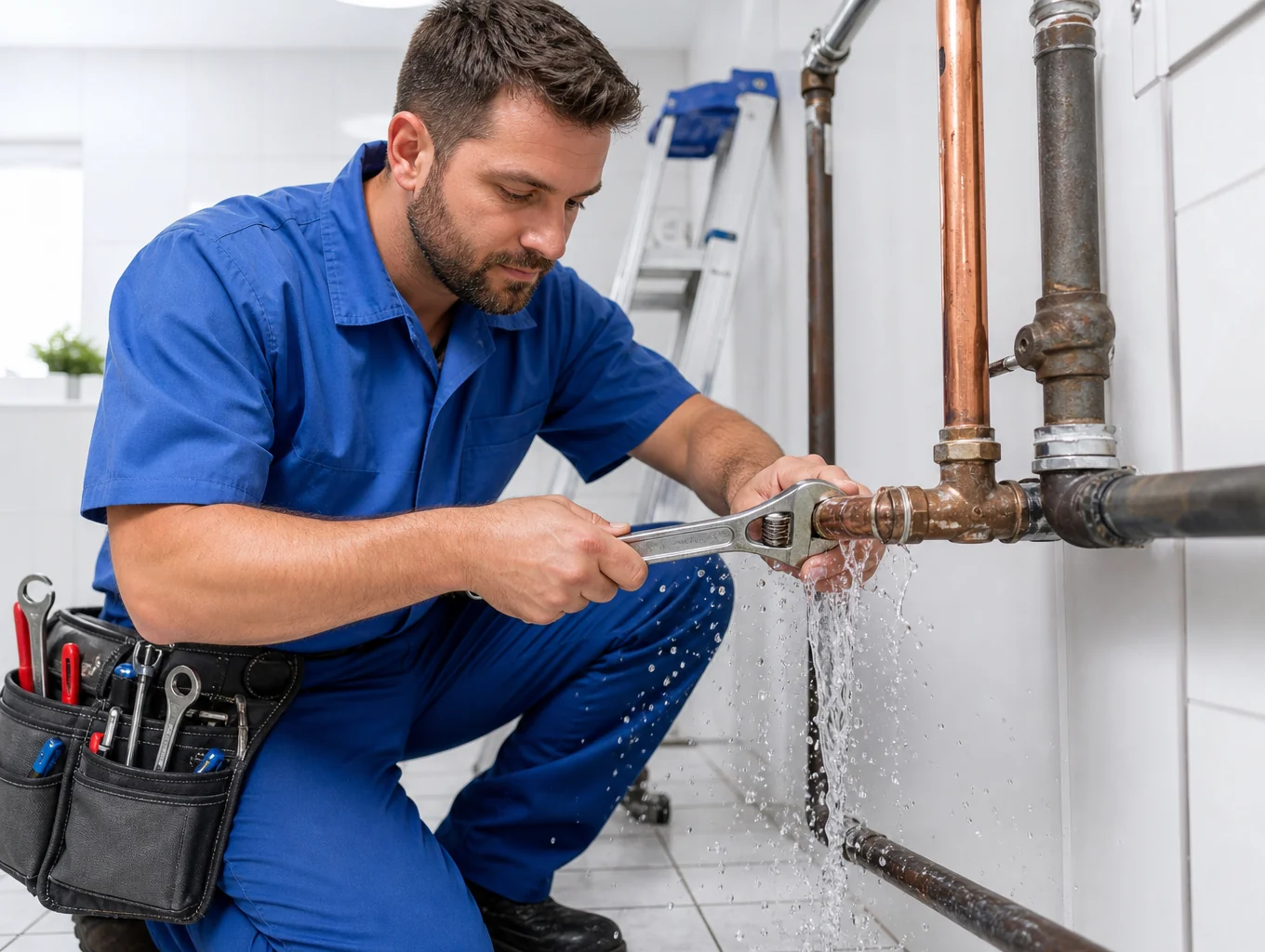
Common repairs we handle today:
- Water heater repairs
- Drain cleaning & unclogging
- Leak detection & pipe fix
- Toilet & fixture installs
Fast plumbing help in Fayetteville when you need it most.
Burst pipes, failing water heaters, and backed-up drains handled promptly. Our licensed plumbers arrive equipped to stop the damage and fix the problem right away.
- Local technicians stationed in Fayetteville
- Upfront flat-rate pricing before work starts
- Fully licensed, bonded, and insured team
Typical arrival window in Fayetteville is under 60 minutes for priority calls.
Burst & leaking pipes
Rapid water shutoff and permanent line repair to protect your home.
Water heater breakdowns
Same-day troubleshooting, tank flushing, and emergency replacements.
Severe drain backups
Clog clearing and sewer line video inspections across Fayette County.
Fayette County Plumbing Guarantee
No surprise charges. You approve the exact quote before any wrench touches a pipe.
Water heater replacement without the guesswork
When repair no longer makes sense, a well-planned replacement restores reliable hot water and peace of mind.
Every tank water heater eventually reaches the end of its life. Minerals and sediment collect inside, the protective anode rod wears away, and the steel tank slowly corrodes. When a tank fails, it can leak without much warning, so replacing a heater on your own schedule is usually far less stressful than doing it after a flood.
Our plumbers help you decide when to replace and what to replace it with. We look at the age and condition of your current heater, the size of your household, your fuel source and your budget. Then we recommend a new heater that fits, whether that is a like-for-like tank, a larger capacity tank or a tankless unit.
We handle the entire job: removing the old heater, installing the new one, connecting water, gas or power, adding required safety components and testing everything before we leave. You get a clear quote before work begins.
Signs your water heater needs replacing
If you notice any of these, it may be time to plan a replacement.
Most tank heaters are designed to last roughly a decade or a little longer. Older units are more likely to fail suddenly.
A leak from the tank body is a sign of internal corrosion. This cannot be repaired.
Rusty hot water can mean the inside of the tank is corroding.
Heavy sediment buildup can overheat the bottom of the tank and shorten its life.
If you keep repairing the same heater, replacement may be the more economical move.
If the heater cannot keep up, a larger or more efficient replacement may fit your household better.
Replacement choices compared
There is more than one way to replace a heater. Here are the most common paths.
| Option | Good for | Keep in mind |
|---|---|---|
| Same-type tank | A simple, familiar swap | Easiest installation, usually the lowest upfront cost |
| Larger tank | Growing households | Needs enough space and may require new venting or supports |
| High-efficiency tank | Lower operating cost | Can have different installation requirements |
| Tankless | Endless hot water and space savings | Higher upfront cost and may need gas or electrical upgrades |
| Fuel change | Switching between gas and electric | May require gas line or electrical work |
| Relocation | Moving the heater to a better spot | Needs plumbing and venting changes |
Our replacement process
From first call to final test, here is how it goes.
We inspect your heater and learn how your household uses hot water.
You get clear options and a written quote before we start.
We remove the old heater and install the new one with proper connections and safety components.
We test for leaks and temperature, then show you how the new heater works.
What affects replacement cost
Replacement pricing depends on your home and the heater you choose.
| Factor | Why it matters |
|---|---|
| Heater type | Standard tank, high-efficiency tank and tankless heaters have very different price ranges. |
| Size | Higher-capacity heaters cost more to buy and may need more space. |
| Fuel and venting | Gas heaters need correct venting. Changing fuel types adds work. |
| Code upgrades | Expansion tanks, pans, valves and updated piping may be needed. |
| Access | Attic or tight-closet installations take longer than open garage installs. |
How to get the most from a replacement
A little planning helps you choose well and avoid surprises.
The date on the tank label tells you how old the heater is, which helps decide between repair and replacement.
Note how many people use hot water and when. This helps choose the right size.
Different heaters come with different manufacturer terms. Ask what applies to the model you choose.
Higher-efficiency heaters can lower operating cost over time.
Planned replacement is easier and less costly than an emergency.
Learn what upkeep your new heater needs so it lasts.
What to do if your heater is leaking now
If water is actively escaping, take these steps first.
Close the cold water supply valve on top of the heater to stop the flow.
Switch off the breaker for electric heaters or turn the gas control to off for gas heaters.
Call our plumbers so we can assess the damage and arrange replacement.
Replacement day, step by step
A replacement visit starts with a quick walk-through. We confirm the heater you selected, check the location and look at the existing connections. If we see anything that needs to be updated, such as corroded fittings, an old relief valve or worn shut-offs, we point it out and discuss it before we begin.
We then shut off the water and power or gas, drain the old tank and disconnect it. The old heater is removed from your home. We set the new heater, connect it to the water lines, and install the correct valves, relief discharge and, where required, an expansion tank or drain pan.
For gas heaters we connect and test the gas line and venting. For electric heaters we make sure the wiring and breaker match the new unit. We then fill the tank, remove air from the system, power the heater and check carefully for leaks.
Finally, we confirm temperature at your fixtures, set the thermostat to a safe level and show you how to operate and maintain the heater. We explain where the shut-offs and drain valve are, so you are ready if you ever need them.
Many homeowners ask how long they will be without hot water. That depends on the heater type and any extra work required, and we explain the timeline when we quote the job so you can plan around it.
If you are replacing an older heater, you may notice that the new one recovers faster or uses less energy. That is one of the benefits of upgrading before the old tank fails completely.
If you are on the fence, ask for a side-by-side explanation of repairing and replacing. We are happy to put the options in plain language so you can decide without pressure.
Water heater replacement in Fayetteville
Serving homeowners across Fayette County.
Fayetteville homes often have heaters installed in garages, utility closets or attics. Each location affects how a replacement is done, and we plan around the layout of your home. Hard water can also affect heater life, so we talk about it when recommending a replacement.
We replace water heaters in Fayetteville, Peachtree City, Tyrone and the other communities on our service areas page. You may also want to see our installation, repair and tankless pages.
Water heater replacement FAQ
What homeowners ask before replacing a water heater.
How often should I replace my water heater?
Many tank heaters last roughly 8 to 12 years. Water quality and maintenance can shorten or extend that.
Can I replace my heater with a different size?
Yes, as long as the space, venting and connections allow it. We help you choose the right capacity.
Should I switch to tankless?
It can be a good fit when you want continuous hot water and a smaller footprint. We can compare options for your home.
What happens to my old heater?
We remove it from your home and dispose of it as part of the replacement.
Can I replace it myself?
Water heater work involves gas, electrical and plumbing safety. We recommend a professional installation.
Do I need a new relief valve and other parts?
Often yes. New heaters should have properly rated safety components and discharge piping.
How soon can a failed water heater be replaced?
Timing depends on the heater you choose and what is in stock. Call us and we will explain the options and schedule the work as quickly as we can.
Replace your water heater with confidence
Call our Fayetteville plumbers or request service online for a clear quote.